What Is Sleep Apnea?

Sleep apnea is a disorder that occurs during sleep, causing you to wake repeatedly throughout the night. There are two main types: obstructive and central. Obstructive sleep apnea (OSA) occurs when the airway becomes blocked during sleep, causing you to struggle to breathe. This often results in snoring, gasping and choking for air, and poor sleep quality.
Central sleep apnea (CSA) is caused by the brain improperly signaling the airway to breathe during sleep. A third and less common version called mixed sleep apnea is a combination of both OSA and CSA. Each condition has similar symptoms, which may include:
- Restless sleep
- Chronic snoring
- Daytime fatigue
- Mood swings
- Slowed reaction times
- Forgetfulness
- Waking with frequent headaches or a sore throat
The Dangers of Sleep Apnea
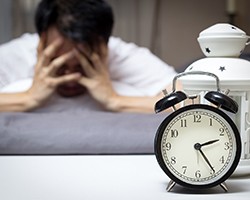
If left untreated, sleep apnea can do more than just affect your rest. It can also negatively impact your overall quality of life by increasing your risk of a variety of dangerous medical conditions, including:
- Cardiovascular disease
- Hypertension
- Stroke
- Diabetes
- Alzheimer's disease
- Depression
- Anxiety
Sleep Apnea Treatment Options
Often when patients are diagnosed with sleep apnea, their doctor will immediately prescribe CPAP therapy. This machine uses a mask to deliver forced air to the airway to prop it open while you sleep. Unfortunately, however, many find the mask and forced air uncomfortable, and the machinery too complicated to operate. Worse yet, it requires electricity to use and isn’t very convenient for travelling, and the tubing used can be difficult to keep clean, increasing your risk of illness.
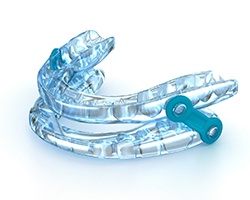
Once you have completed a sleep study and received an official diagnosis for sleep apnea, Dr. Castleberry can help you get the rest you deserve without the need for CPAP. A comfortable, convenient oral appliance can be custom made to fit your mouth, naturally propping your airway open by repositioning your jaw while you sleep. This allows you to get a better night’s rest without any of the hassle of CPAP, making it more likely that you’ll use your device and thereby improving your overall health in the long run.
To learn more about sleep apnea treatment from The Castleberry Center, schedule a consultation today to get started.
Sleep Apnea FAQs
Why should I see a dentist for sleep apnea treatment?
While it may seem odd to seek help from a dentist for sleep apnea, it’s important to remember that oral health professionals are highly educated experts in the upper respiratory system. In many cases, dentists can detect symptoms of obstructive sleep apnea during routine exams and refer the patient to a sleep doctor for a diagnosis if needed. After you are diagnosed with sleep apnea, Dr. Castleberry can address it with effective methods like oral appliance therapy.
Does everyone who snores have sleep apnea?
While snoring can be a symptom of sleep apnea, it does not necessarily mean you have the condition. Only a qualified sleep doctor can officially identify a case of sleep apnea, and the friendly team at The Castleberry Center will be happy to find a suitable treatment for the problem once our patient receives a proper diagnosis. About twenty percent of the adult population of the United States has sleep apnea.
Will my sleep apnea go away if I lose weight?
In some cases, weight loss can reduce or eliminate the symptoms of sleep apnea. Large deposits of tissue around the neck area can put more pressure on the windpipe during sleep, which can make it easier for the trachea to become constricted. In cases like this, losing weight can often ease the burden placed on the windpipe during slumber and make it easier for the patient to sleep through the night. However, some patients continue to experience symptoms of sleep apnea after losing significant amounts of weight, so you may still require a test from a sleep doctor to check for the condition.
Are there home remedies for sleep apnea?
The team at The Castleberry Center offers effective oral appliances that can help people with sleep apnea get adequate rest. However, you may be able to help manage your symptoms with home remedies like:
- Essential oils: While not scientifically demonstrated, many people hold that aromatic lavender oil makes it easier to fall asleep.
- Propping your head up: Sleeping in a recliner or elevating your upper body with pillows or cushions when you lay down may reduce the pressure placed on your windpipe when you rest.
- Getting plenty of exercise: Regular physical activity can tire you out and make it easier to fall and stay asleep.
- Avoiding noises and bright lights: Loud music and flashy video content can stimulate the eyes and ears and trick the brain into staying awake longer. It’s often best to abstain from viewing TV or your phone for an hour or more before going to bed.

